
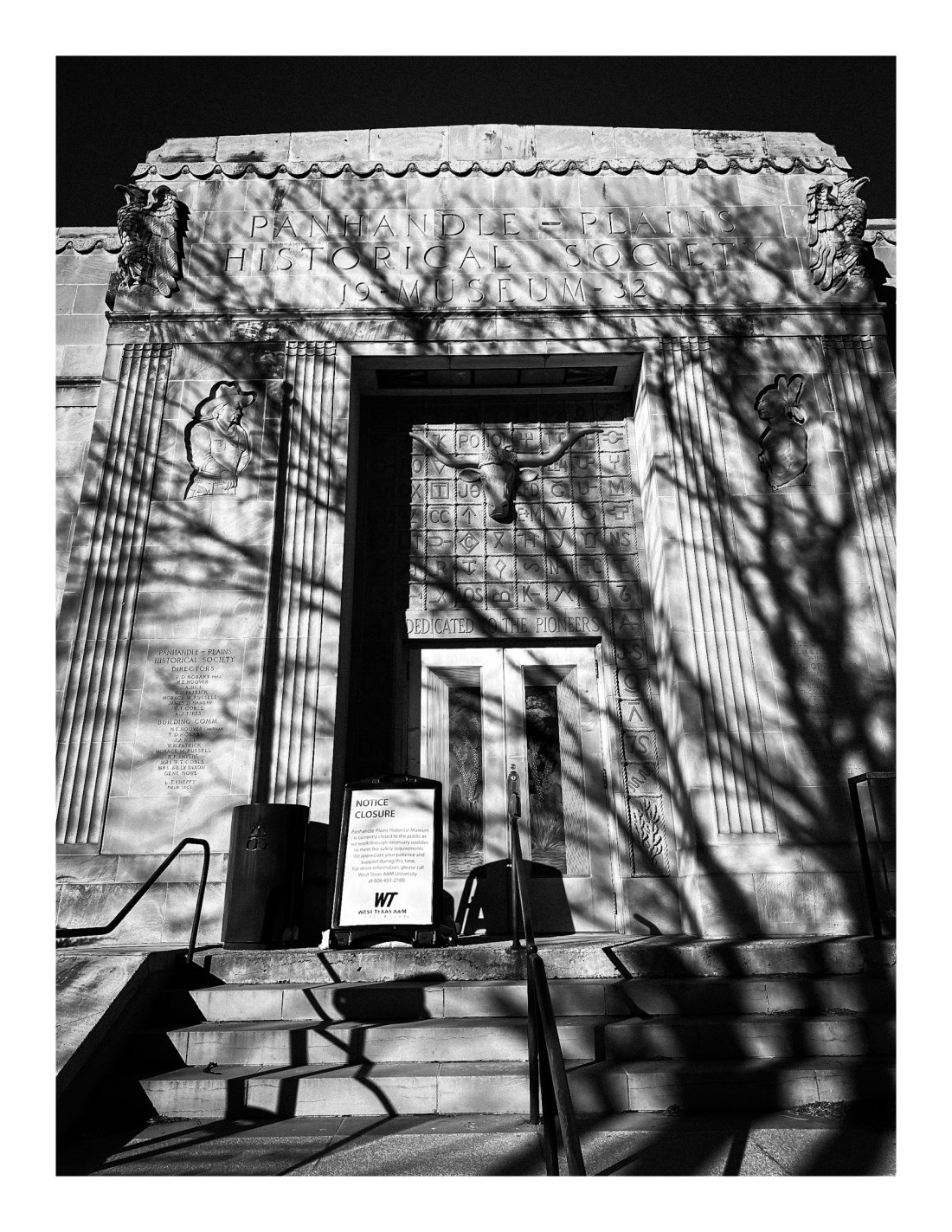
The gem of the Texas Panhandle has been closed since April 2025.
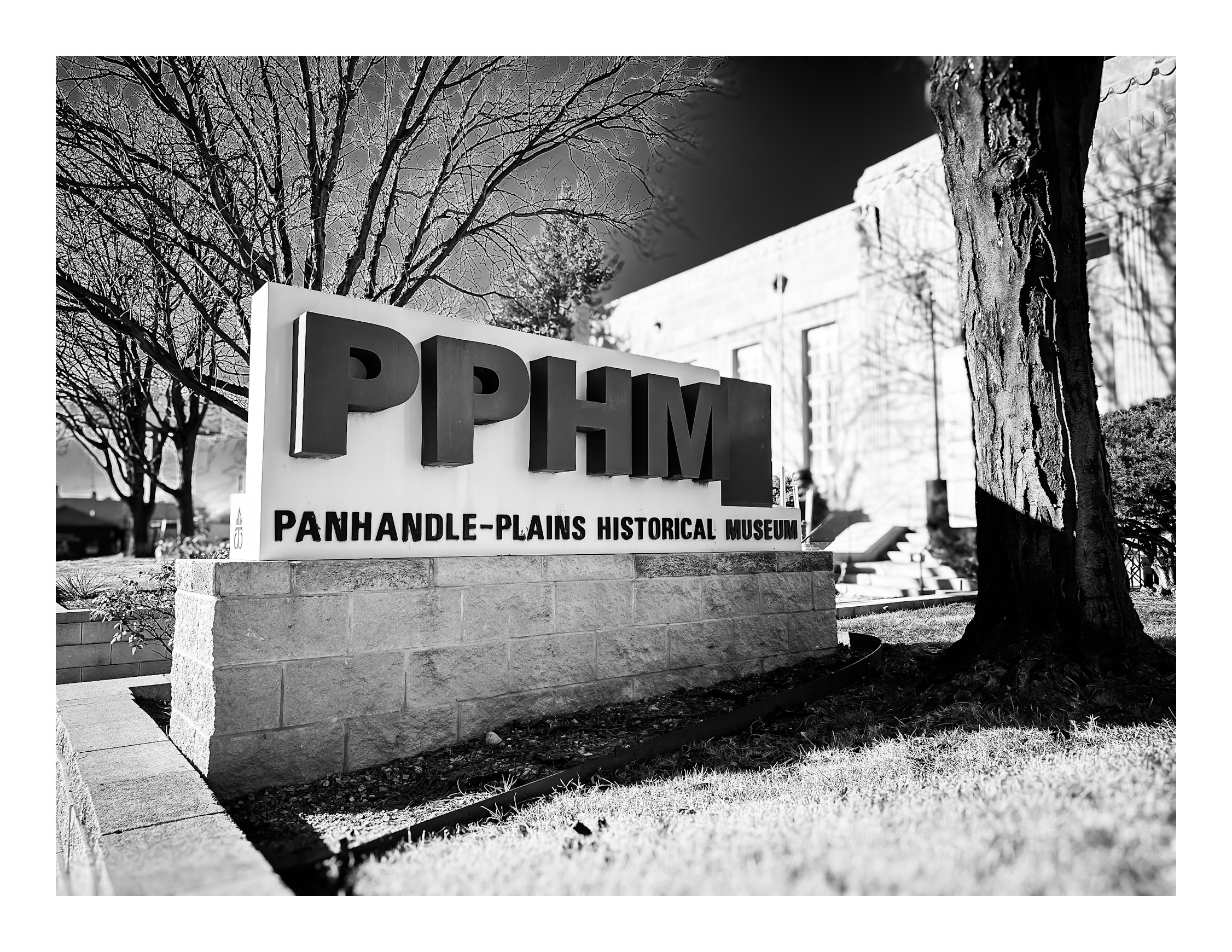
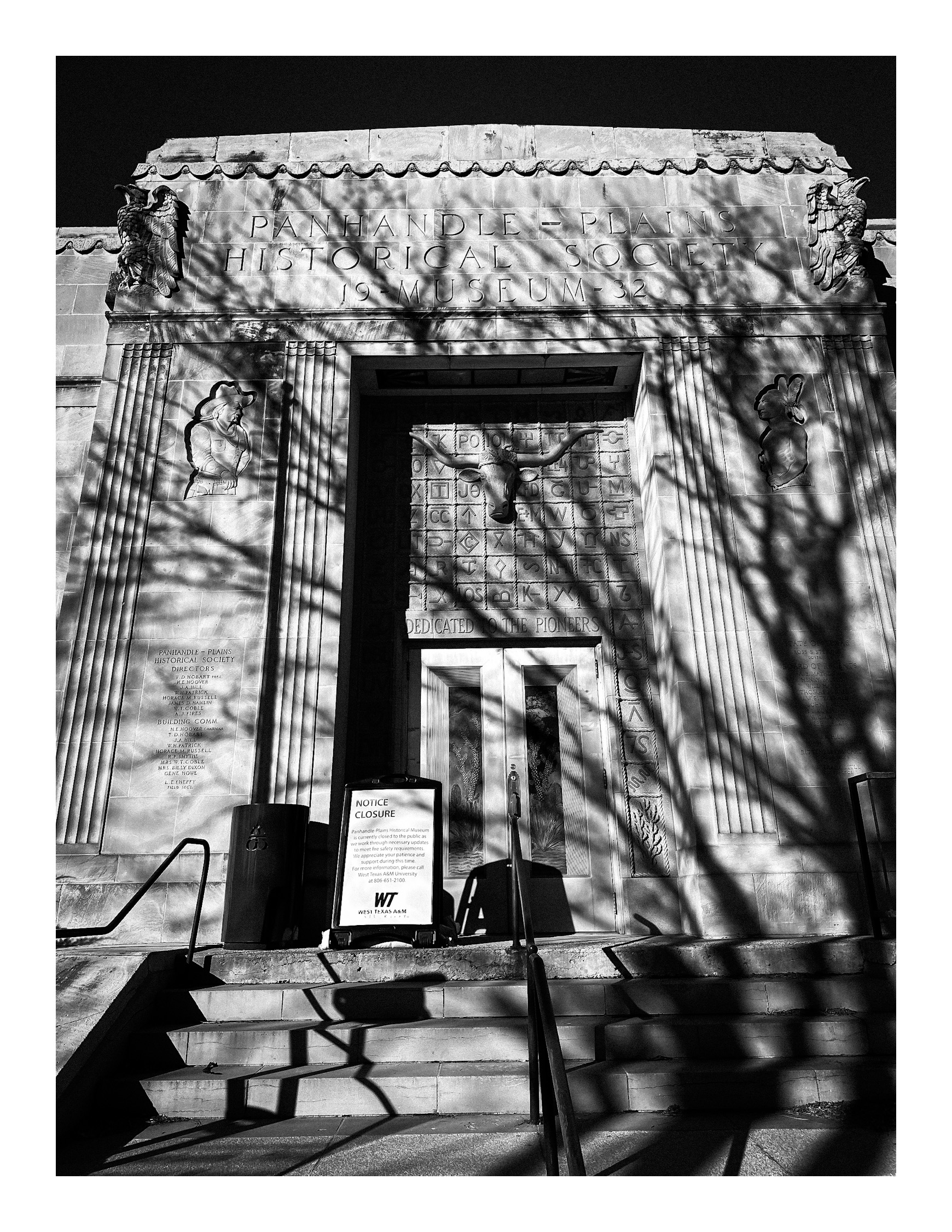
Doors locked.
Lights still on.
A travesty on many levels.
I remember walking through those big front doors as a child with my dad. The dinosaurs amazed me most. Years later, I found myself sitting in front of a massive oil painting — earth-toned, intense, anchored by a dog that I now recognize as resembling a Newfoundland. I sat there for over an hour, undisturbed, unknowingly beginning my appreciation for art.
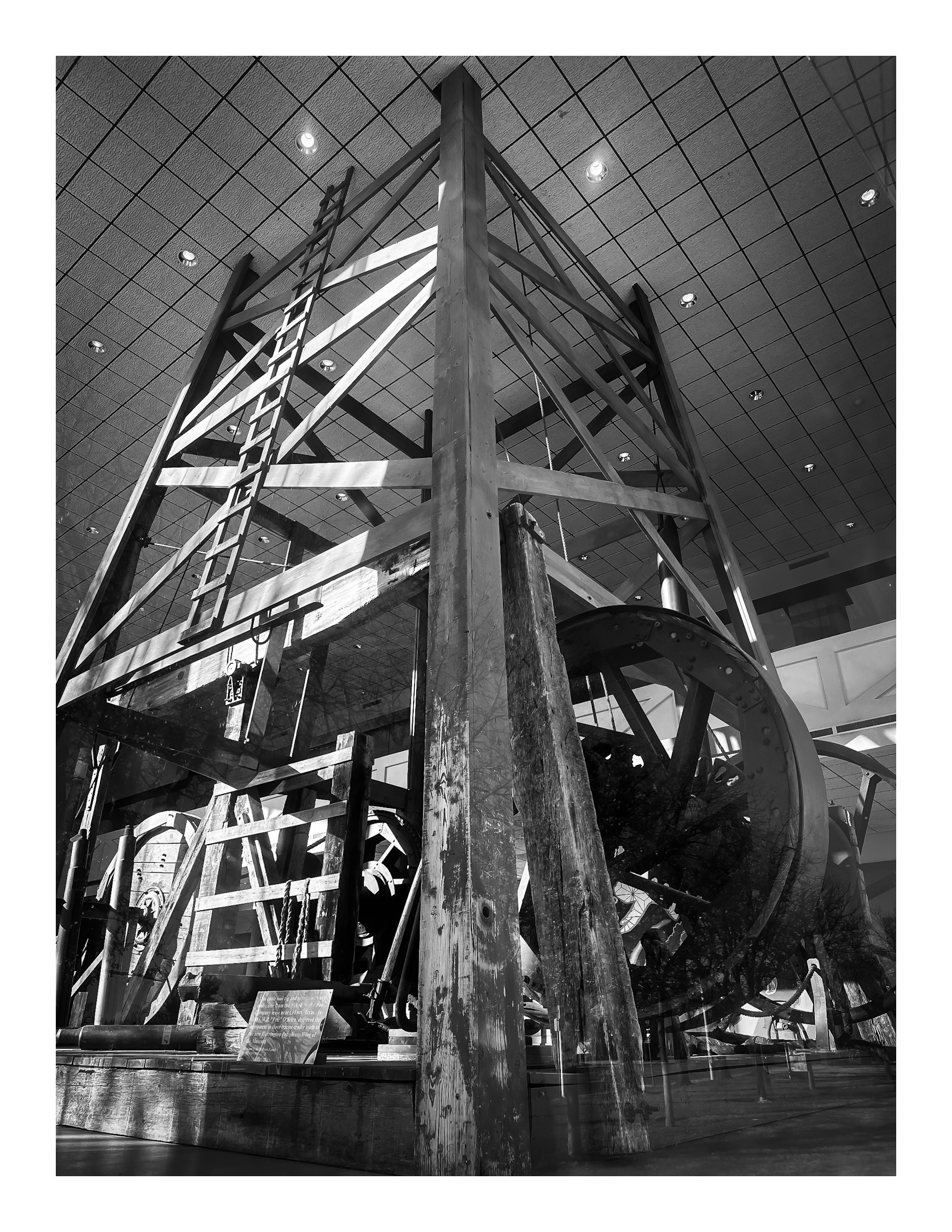
Walking through those same doors with my father-in-law felt entirely different. Through his eyes, the museum allowed him to reclaim a past life he had long forgotten, sharing stories I might never have otherwise heard.
In 2024, I visited again with dear friends. The joy came not only from the exhibits — the Native American gallery, Georgia O’Keeffe’s darker tones, the dinosaurs once more — but from the stories we shared. What stays with me most are the black-and-white photographs of Palo Duro Canyon, bare and haunting, before prickly pear and mesquite claimed the floor.
Over the years, even the small gift shop evolved into a place where you wanted to buy something — not to spend money, but to hold onto the memory of being there at that museum.
In December 2025, I stood outside and took photographs of this glorious building — a building that holds so much of our history and so many meaningful experiences. How many people can say they have seen dinosaurs that once roamed the Texas Panhandle, studied a painting that spoke to their soul, or listened to stories that bridged generations?
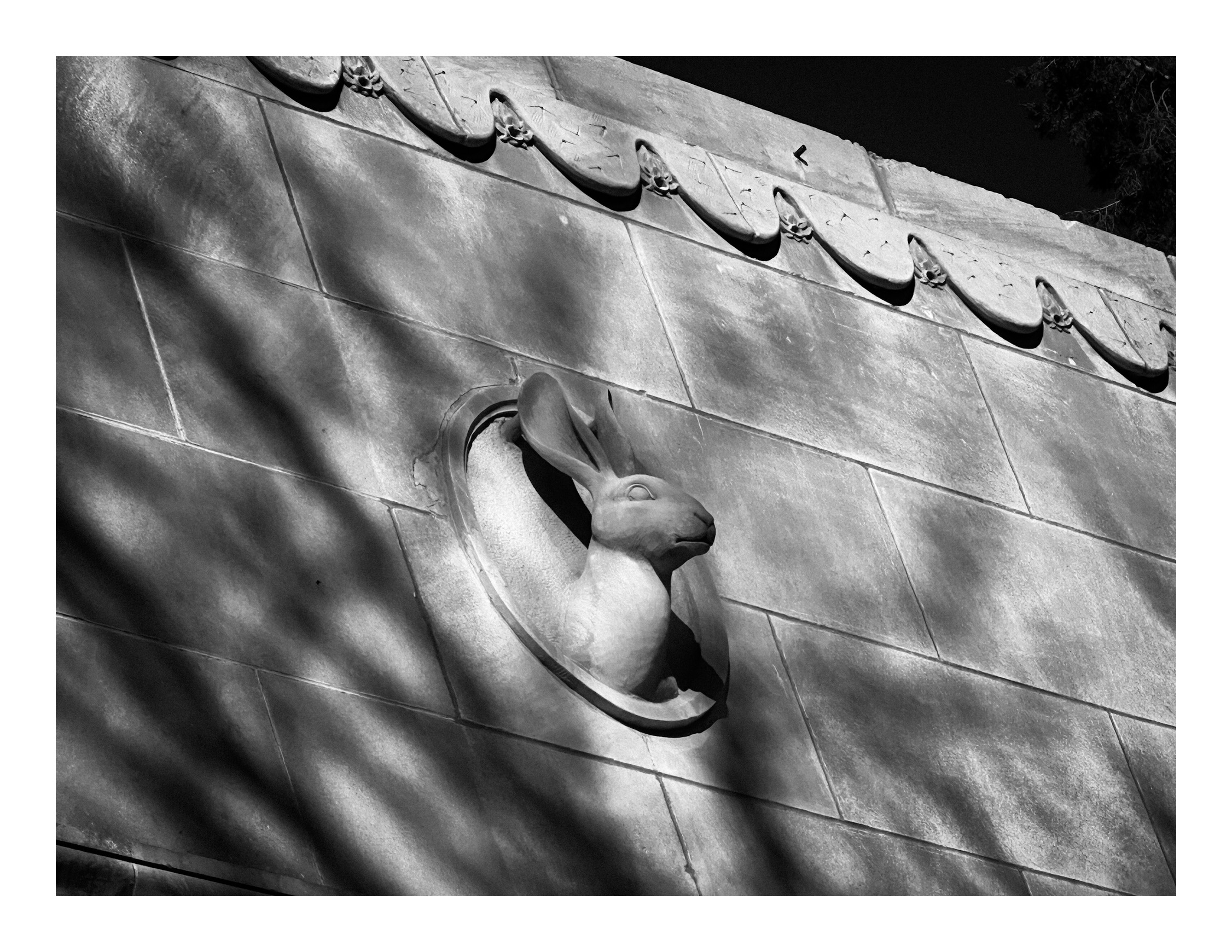
Old buildings like this were built to withstand time.
Yet a Fire Marshal’s report deemed it unsafe.
And that is where responsibility must be named.
The buck stops with the board.
It was always the board’s responsibility to ensure safety standards.
To raise funds.
To maintain professional relationships with the A&M system.
To protect thousands of irreplaceable artifacts.
To serve as the guiding light for the preservation of our collective history.
The board also bore responsibility to the community, the city, and the county, which this museum called home.
Yes, fault exists with West Texas A&M, but ultimately, stewardship rests with the board.
Now, it appears there is little hope of saving this building and museum. It will likely be demolished. The collection scattered. History lost forever.
This is not merely a building. This is a historical gem of the Texas Panhandle — of Texas itself.
And the time to save it was not today.
It was years ago.
History can only be saved through foresight, care, and advocacy. To preserve history, we must first show why it matters — and then act before it is too late.

 Forgotten Winds
So sad that this venerable old building with all the history will be lost. Are the artifacts and art being relocated?
LikeLiked by 1 person
As of this time there is no word on relocation or security of the art or artifacts.
LikeLike
Yikes. I’ll ask my son about this. He’s the historian you met at one of your book signings when he got my copy of your book & i believe one for himself.
LikeLiked by 1 person
I do remember him.
LikeLiked by 1 person
So sad that the living part of history may be destroyed.
LikeLike