Some stories are difficult to tell. Not because we are ashamed of what happened, but because sharing them requires us to revisit moments we would rather leave behind.
This is one of those stories.
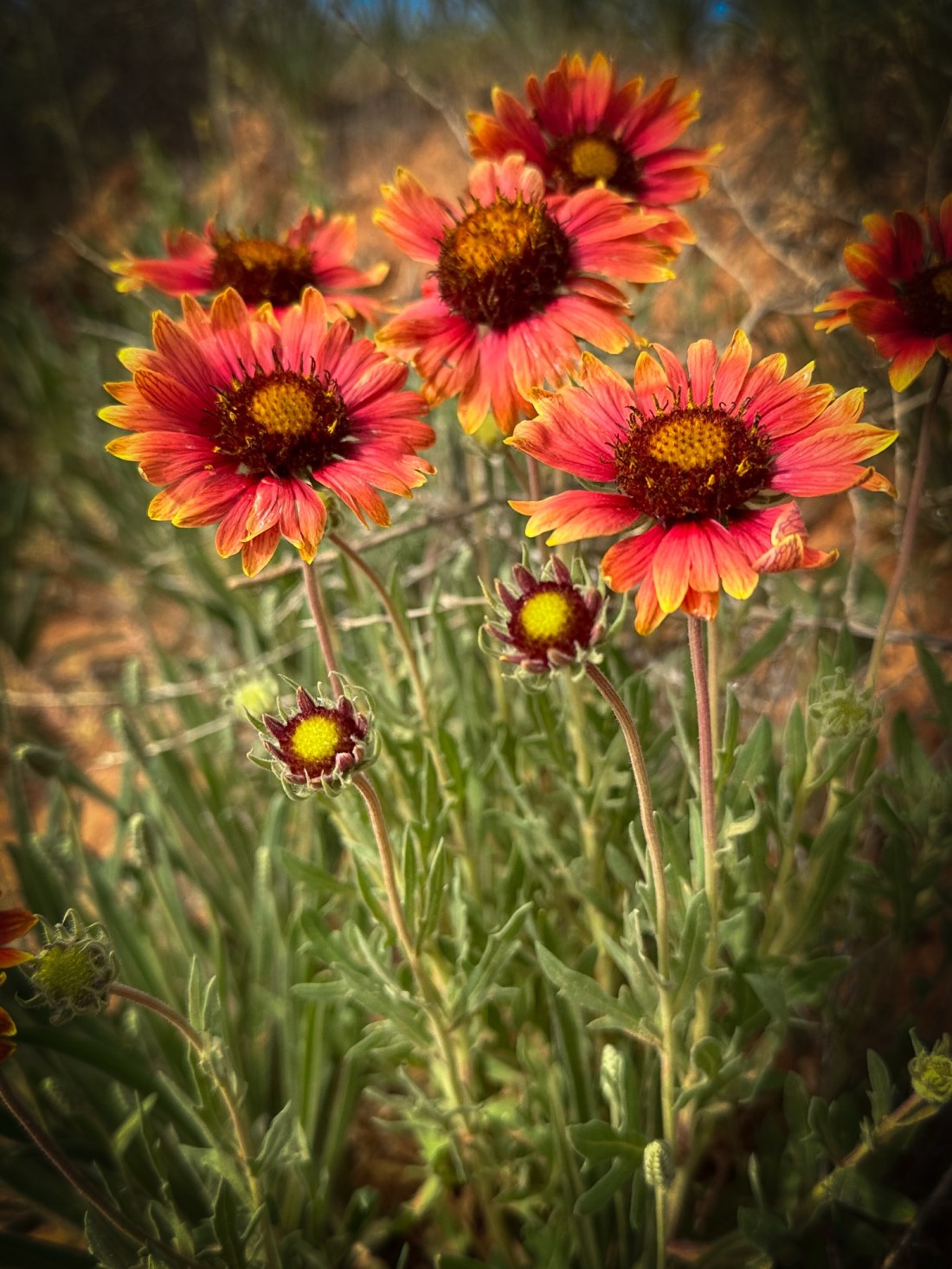
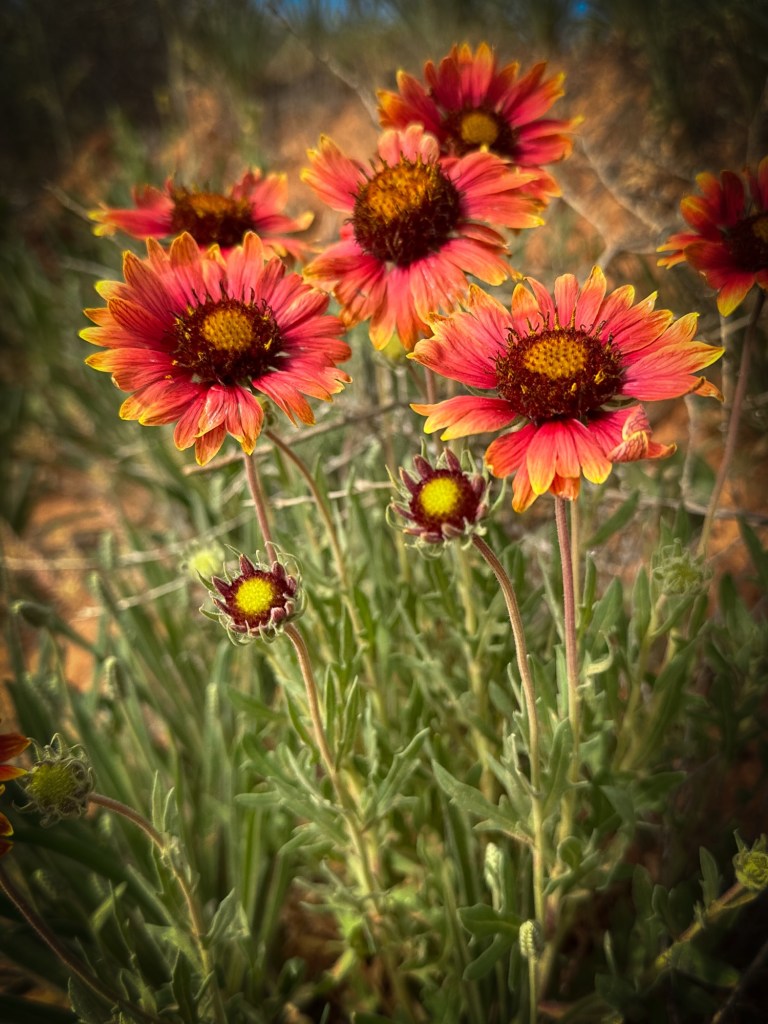
For years, seeing patches of Indian Blanket wildflowers across any part of the West Texas landscape lifted my heart. Their brilliant colors are a reminder of the beauty that could emerge from the harshest conditions of wind and dryness.
Now, I see them through different eyes.
All it took was one woman during two encounters with her that forever changed my perspective. And that is what makes this story so difficult to tell.
As women, we should be each other’s greatest advocates. We should lift one another up, offer encouragement when life becomes difficult, and extend grace when the world feels unkind. We should understand, perhaps better than anyone, how much a woman’s spirit can endure.
Yet, sometimes, it is another woman who leaves the deepest wounds.
This woman in question verbally attacked me on two separate occasions. During the second encounter, she spit in my face and trapped me in a situation where I could not leave, even driving a 4×4 truck. She accused me of trespassing.
I was there in my professional capacity, checking her husband’s compliance with the federal Conservation Reserve Program (CRP) contract, along with a new center-pivot irrigation system. I was carrying out my assigned responsibilities. Those responsibilities were making sure that guidelines were still being followed for those federal contracts.
Her response was hostility on both occasions. Telling me that those federal contracts meant nothing to her more than once.
During our first encounter, as she yelled at me, I noticed something beyond her anger. She never smiled. There was an absence of warmth in her expression, a hardness that seemed to reach beyond the moment.
And then there was the second encounter which was more vile and hostile.
When I reported what happened, my concerns were initially met with laughter and indifference. It took another woman in another federal agency to recognize the seriousness of the situation and take action. Those concerns were put in writing and presented to this yelling woman’s husband in a letter from a federal entity that he would lose his federal benefits if this happened again.
Back to the second encounter where I noticed her hair.
During the first encounter, she had a full head of hair. The next time, it was gone. Beneath her cap this time were tiny wisps of gray and white hairs.
My gut told me she was going through chemotherapy.
Suddenly, the woman who had screamed at me and spit in my face was also a woman fighting cancer.
Ten years ago, I began my own journey with breast cancer. I know something about the uncertainty, the fear, and the ways cancer can change how we see ourselves and the world around us.
I know the value of having someone beside you who can make you laugh when everything feels impossibly heavy. Someone who reminds you that you are still you, even when your body and your life are changing.
For me, my dog, my friends, and the laughter they brought into my life helped carry me through difficult days. They reminded me that joy could still exist alongside fear. That there could still be moments of light in the darkest seasons.
I found myself wondering whether this woman had that kind of support.
Did she have someone who made her laugh? Someone who helped her find a little peace? Someone who reminded her that she was more than her diagnosis?
I will never know, plus, I do not give damn. Yes, I asked those questions inwardly, but why should I care. She made me not care.
And that is what makes this experience so complicated.
My heart goes out to her as a woman facing cancer. However, I cannot erase what she did to me simply because I understand some of what she may be experiencing.
Compassion does not require amnesia. Understanding someone’s suffering does not mean we must pretend their actions did not harm us.
Perhaps chemotherapy affected her mood or behavior. It is possible. Cancer and its treatments can take a tremendous physical and emotional toll.
What I do know is that her suffering did not make my experience any less real the second go around of yelling and spitting.
Cancer changes us. It can strip away the things we once took for granted and force us to confront what matters most. It can remind us of our own vulnerability and the preciousness of time.
Suffering does not look the same in everyone. Nor does it always bring out the same qualities in us.
I believe we still have choices in how we treat the people around us, even when life is unbearably difficult.
I am grateful that, during my own cancer journey, I had people who helped me hold on to grace. They gave me reasons to laugh, reasons to keep going, and reminders that kindness was still possible. They helped me understand that we can be hurting and still choose not to hurt others.
That is the kind of woman I am. And that is the kind of woman I hope we can be for one another.
I wish this woman peace. Truly. I hope she has people who love her, support her, and help her find moments of joy in the middle of her fight.
But I also wish she understood the lasting impact of her actions. The truth is, I cannot look at Indian Blanket wildflowers the way I once did. Something that brought me joy for years is now connected to a memory I never was asked to carry. Those bright red and yellow patches of color across a West Texas field still takes me back to moments of hostility that cannot be erased.
That is the power we hold in our interactions with one another.
We may never know what another person is carrying. We may never understand the battles happening behind a smile—or behind its absence.
We can however choose what we leave behind in someone’s heart.
A little kindness. A moment of understanding. A reason to smile.
One woman changed how I see Indian Blanket flowers.
I hope that, somewhere along the way, another woman reminds me of their beauty again.
Perhaps that is the final lesson in all of this: I can acknowledge the hurt without surrendering my compassion. I can wish another woman healing without excusing her cruelty. I can remember what happened without allowing it to define who I become.
Because we women will face enough battles in this lifetime.
We should not have to become another woman’s battlefield.

